This guide covers the practical sequence after you discover water damage: what to do, in what order, and what to keep. Whether your loss is covered is a separate question that only your policy and insurer can answer.
Step 1: Stop the water and make it safe
Nothing else matters until the source is off. On a well, that means the pump breaker and the valve at the pressure tank. Keep away from wet outlets and equipment. Insurers expect you to act to limit damage, and this is the first act.
Step 2: Photograph before you move anything
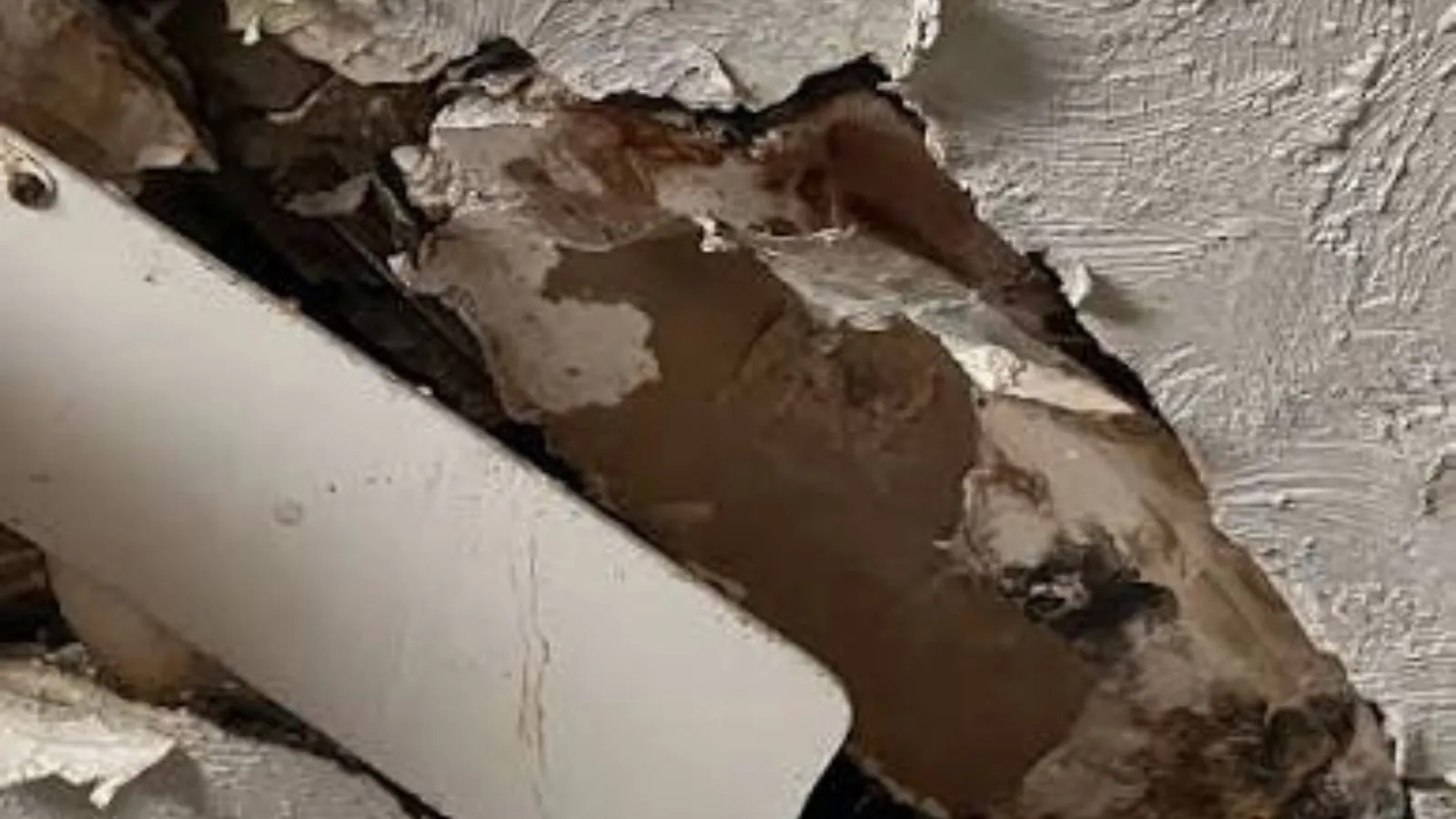
Take wide shots of every affected room, then close shots of the source, the standing water, the water line on walls and each damaged item. Video with narration works well. Include something for scale. Note the date and time.
People skip this step in the rush to clean up, and it is the one they regret. Once the carpet is in a dumpster, a photograph is the only proof it existed.
Step 3: Report the claim
Call your insurer or agent and report the loss. Write down the claim number, the name of the person you spoke with and what they told you to do. Ask three things: whether you may begin mitigation immediately, whether an adjuster will visit, and what records they want.
Step 4: Prevent further damage and keep receipts
Mitigation means the work that keeps damage from growing: extracting water, removing soaked materials that cannot be saved and drying the structure. You do not normally need to wait for an adjuster to begin it. Waiting lets damage spread.
Keep every receipt. That includes tarps, fans, a plumber's emergency visit, a hotel night if the house is unusable and the restoration invoice.
Step 5: Build the damage record
| Record | What it shows | Who produces it |
|---|---|---|
| Photos and video | Condition at discovery | You |
| Moisture map with dated readings | What was wet and how it dried | Restoration company |
| Itemized scope of work | Each task and material | Restoration company |
| Plumber or roofer invoice | Cause of the loss | The tradesperson |
| Contents list | Damaged belongings, age and value | You |
| Receipts | Out-of-pocket costs | You |
A moisture map is a drawing of the affected rooms with meter readings by date. It answers the adjuster's main question, which is whether the scope of work matched the actual damage. Drying logs of this kind are part of ANSI/IICRC S500 practice. Our structural drying page explains how those readings are taken.
Step 6: Keep damaged items until told otherwise
Do not discard damaged property before the adjuster has seen it or agreed to photos instead. If something has to go for safety, such as sewage-soaked carpet, photograph it thoroughly and cut a sample to keep.
Step 7: Meet the adjuster
Walk the adjuster through the house with your photos. Point out everything, including damage in closets and the room below. If a restoration company is already working, ask them to be present or to send the moisture map ahead.
Step 8: Review the settlement
Compare the insurer's estimate with the restoration scope line by line. Differences are usually about quantity or about whether something is repaired or replaced. Ask for the reasoning in writing where they differ.
Massachusetts Guidance And A Westport Wrinkle
The Massachusetts Division of Insurance tells homeowners to report a claim to the insurer and agent as soon as possible and to take reasonable steps to prevent further damage. It strongly recommends saving all receipts for those expenses. Consumers with questions can reach its Consumer Services Unit at 617-521-7794.
One local detail affects the record. Westport has very little public water, by the town's 2025 Housing Production Plan, so most homes are on private wells with no meter. On a town supply, a water bill can show when a leak began. On a well there is no such record.
Note anything that helps date the event: when the pump was heard running, when someone was last in the house, a caretaker's visit log. Source types: state insurance regulator consumer pages and the town housing plan.
Common mistakes
- Cleaning up before taking photos
- Throwing away damaged items too soon
- Waiting for the adjuster while materials stay wet
- Accepting a verbal instruction without noting who gave it
- Starting permanent repairs before the scope is agreed
A note on what we can and cannot do
We document the loss and carry out the mitigation and repair. We do not negotiate claims, and we cannot tell you a claim will be paid. Coverage is between you and your insurer.
For the first hours of an active leak, see emergency water extraction. We work in Westport and travel to Acushnet and New Bedford.