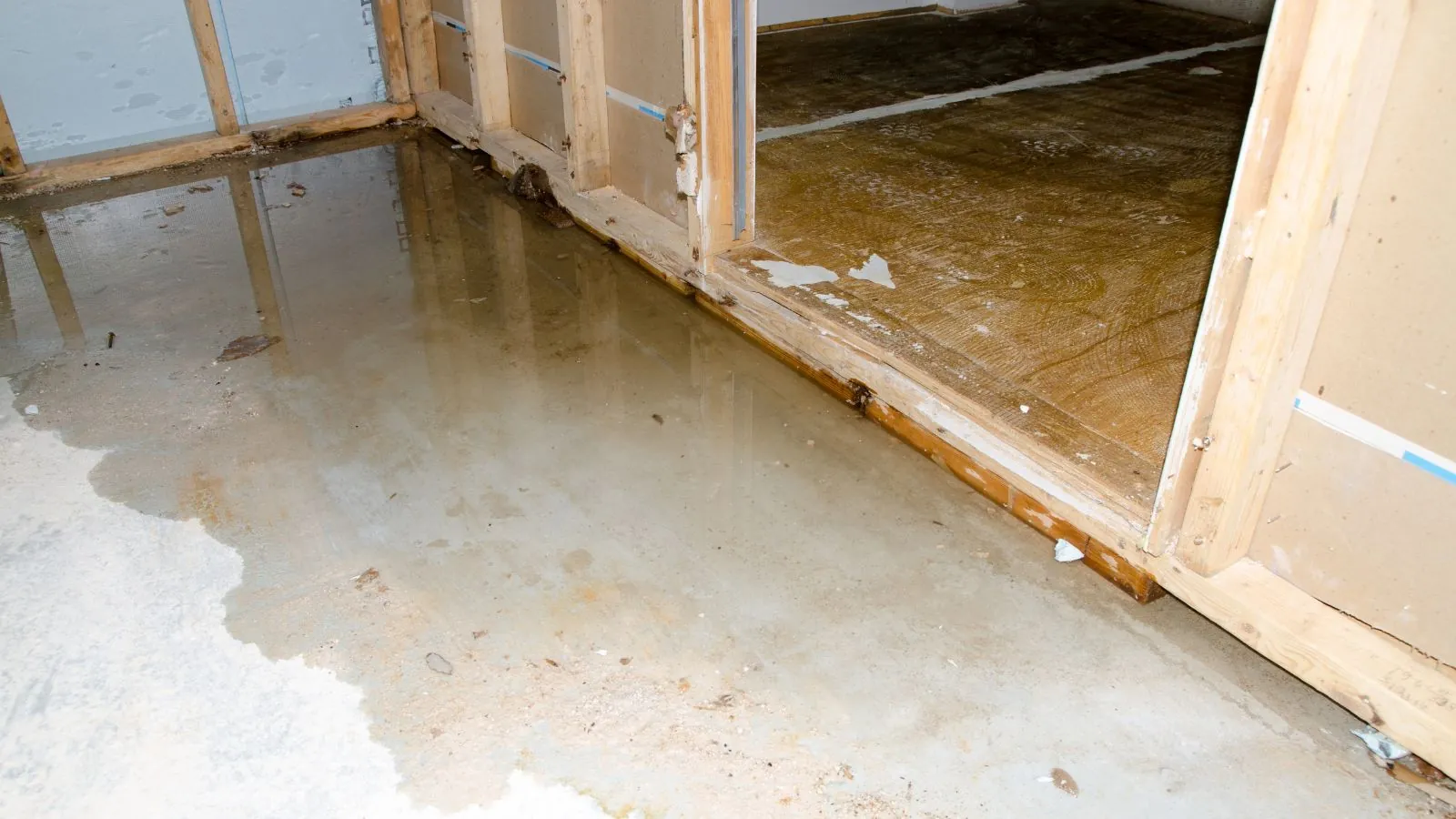
Basement water damage cleanup is the removal of water from a below-grade room, the clearing of wet contents and finishes, and the drying of the walls and slab. If water is coming into your Westport basement, our line is answered 24/7.
Do not step into standing water if the electrical panel, outlets, furnace or well equipment are down there. If you can switch off basement circuits from a dry position, do. If not, call the electric utility. Then move what you can reach safely to a higher level.
When basement water is an emergency
- Water is rising and the source is unknown
- The sump pump has stopped and the pit is overflowing
- Water has reached the furnace, boiler, water heater or pressure tank
- A finished basement has wet carpet and wet walls
- The water is dark, smells of sewage or came up through a floor drain
That last one is a contamination problem. Follow the safety steps on our sewage backup cleanup page.
Where basement water comes from
- Rain and groundwaterWater enters through wall cracks, the joint where wall meets floor, or up through the slab after long wet periods.
- Sump pump failureThe pump burns out, loses power in a storm or the float sticks, and the pit overflows.
- Plumbing aboveA burst pipe or failed appliance upstairs drains to the bottom level.
- Equipment in the basementA leaking water heater, pressure tank or washing machine.
- Window wells and bulkheadsSurface water runs in during heavy rain.
In Westport the well equipment usually lives in the basement. A failed pressure tank or a split fitting at the tank floods the room from inside, with the pump feeding it. See our water heater leak page for the tank version of that problem.
Rain, storms and losing power
Sump pumps need electricity, and storms are when they are needed and when power fails. Hurricane Bob in 1991 left the barrier beach without power for 6 to 8 weeks, by the town's resilience study. Inland outages are shorter, but a few hours is enough for a pit to overflow.
We do not have a figure for how many Westport homes have basements, and groundwater conditions vary from lot to lot. If your basement takes water after rain, the pattern is what matters: how soon after the rain, where it appears and whether it clears without help.
Basement wet after rain or a pump failure?
We explain the pump-out, what has to come out and how the job is priced.
How a basement is cleaned up
- Make it safeConfirm power to the wet area is off and identify the water as clean, grey or contaminated.
- Pump and extractSubmersible pumps remove depth. Extraction units take the rest off the slab and out of carpet.
- Clear wet contentsBoxes, furniture and stored items come off the floor and are sorted.
- Remove wet finishesIn a finished basement, carpet pad, wet drywall and insulation are cut out above the water line.
- Clean and drySurfaces are cleaned, then air movers and LGR dehumidifiers run with daily readings.
The pumping stage is the same work as our water extraction page describes. Concrete and block hold water for a long time, so basement drying usually takes longer than drying a room upstairs. The work follows the ANSI/IICRC S500 standard, which treats groundwater and drain water as contaminated from the start.
Flooded and musty basements
Many calls describe a basement that flooded some time ago and now smells. A musty odor means something is still damp or mold has established. The usual hiding places are the bottom of finished walls, the back of paneling, stored cardboard and carpet pad.
Mold needs moisture. Drying the space and removing affected material comes first. Where growth is established, the work follows our mold remediation page.
Restoration is not waterproofing
This is worth saying plainly. We remove water, dry the structure and repair what was damaged. We do not waterproof foundations, install drainage or sump systems, seal cracks or inspect foundations. If your basement takes water repeatedly, a waterproofing or foundation contractor addresses the cause. We will tell you when that is the right call.
What affects the cost
- Finished or unfinishedBare concrete is the least costly basement to restore.
- Depth and durationMore water and more time mean more removal.
- Water typeGroundwater and drain water are treated as contaminated.
- ContentsSorting and moving stored belongings adds labor.
Groundwater seepage and surface flooding are usually excluded from homeowners policies, while a burst pipe is often covered. Sump failure may need an endorsement. Ask your insurer. We serve Westport, New Bedford and Acushnet.