Structural drying is the controlled removal of moisture from building materials, such as framing, subfloor, drywall and concrete, using air movement, dehumidification and measurement. It is the stage of water damage work in Westport, MA that decides whether a leak is over or merely hidden.
Why does the wall still feel damp a week later?
People call with versions of the same story. The leak was fixed, the floor was mopped, a fan ran for a few days, and now there is a smell, a soft baseboard or a stain that keeps growing. The surface dried. The inside did not.
Water moves into materials by absorption and stays there. Drywall wicks it upward from the floor. Sill plates and studs soak it in through their end grain. Insulation holds it like a sponge. A household fan moves air across the paint and does nothing for the cavity behind it. The trade name for solving this is structural drying, and it is a measured process.
Moisture mapping comes first
Drying without measuring is guessing. Before equipment is placed, the wet area is mapped.
- Pin and pinless moisture metersRead the moisture content of wood and the relative wetness of drywall and plaster.
- Thermal imaging cameraShows cooler, evaporating areas behind finished surfaces so wet cavities can be found without opening everything.
- Thermo-hygrometerMeasures air temperature and humidity to confirm the dehumidifiers are pulling moisture out.
- Dry standardReadings from an unaffected part of the same house set the target.
The map goes on a drawing with readings by date. That record is useful to you and to an insurer, because it shows what was wet and when it reached dry.
What the equipment does
Air movers push a fast, low layer of air across wet surfaces. That lifts moisture off the material and into the room air. Without a dehumidifier, the room simply gets humid and drying stalls.
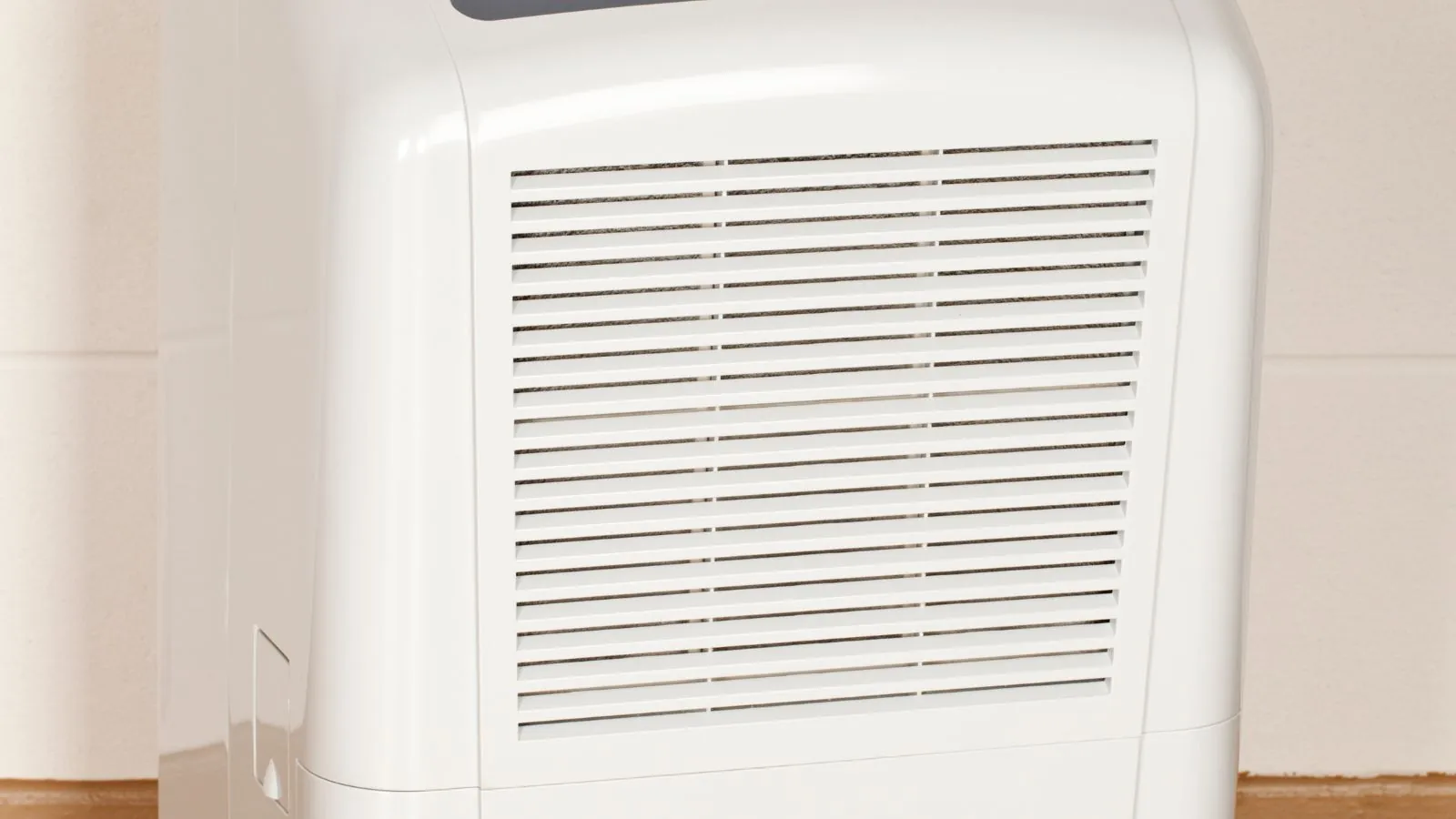
LGR dehumidifiers, short for low grain refrigerant, pull that moisture out of the air and pump it to a drain. They keep working at lower humidity than a hardware store unit can. For dense materials such as hardwood and plaster, a desiccant dehumidifier or a panel system that pulls air through the floor may be added.
Equipment runs continuously. It is loud and warm, and switching it off at night to sleep resets some of the progress.
Want readings on a wall or floor?
We explain what the meters show, what equipment is needed and what the drying will cost.
Water mitigation and how drying fits into it
Water mitigation is the industry term for everything done to stop damage from getting worse: stopping the source, extracting water, removing unsalvageable material and drying the structure. Drying is the longest part.
In order, a typical job runs water extraction, then selective removal of wet insulation and damaged drywall, then drying, then repair. The ANSI/IICRC S500 standard describes this sequence, and it is fair to ask any company whether its crews work to it.
Drying in a coastal town
Outdoor air affects indoor drying. Westport is surrounded by the river, the harbor and the ocean, and its summer air carries a lot of moisture. Opening windows on a muggy July day adds water to the house. In that season the building is kept closed and the dehumidifiers do the work.
Winter is the reverse problem in unheated spaces. Cold air holds little moisture, and evaporation slows. A closed seasonal house needs heat restored before drying is efficient. Roughly one Westport home in fourteen is seasonal, going by the Census estimates in the town housing plan, so this comes up regularly.
How long drying takes
| Material | Typical behavior |
|---|---|
| Drywall, caught early | Often dry in three to four days |
| Wood framing and subfloor | Commonly four to six days |
| Hardwood flooring | A week or more, sometimes several |
| Plaster and concrete | Slow, measured in weeks if saturated |
These are common ranges, not promises. The readings decide. Flooring is covered in more depth on our hardwood floor page, and wall cavities on the wall and drywall page.
What to do while equipment is running
- Keep windows and exterior doors closed unless told otherwise
- Leave the machines on and where they were placed
- Keep children and pets away from cords and air movers
- Tell us if a breaker trips or a dehumidifier stops draining
What decides the price
- Days of dryingEach day of equipment and monitoring is part of the cost.
- Amount of equipmentSet by the wet area and the materials.
- Demolition neededRemoving baseboards, drywall or insulation adds labor.
- Class of waterContaminated water requires cleaning before drying.
Insurers generally expect a documented drying record on covered losses. Ask yours what it needs. We dry homes across Westport and in Acushnet and New Bedford.