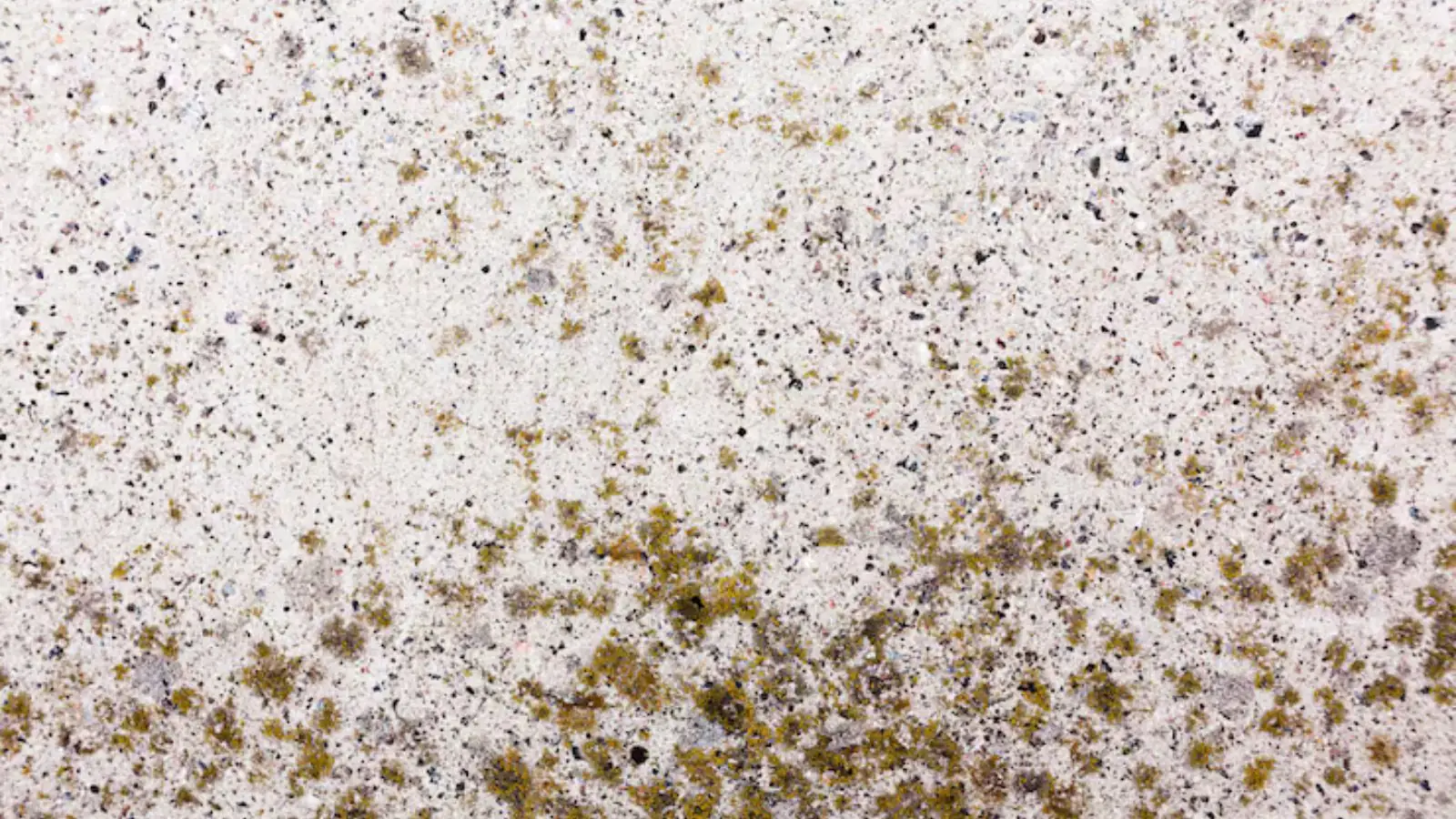
Mold remediation is the process of containing a mold-affected area, removing materials that cannot be cleaned, cleaning what remains and correcting the moisture that allowed the growth. In Westport, MA it nearly always follows a water problem: a leak, a flood, a damp crawl space or a closed-up seasonal house.
What is this smell and these spots?
People rarely start by searching for remediation. They notice a musty smell in a closet. Spots on a bathroom ceiling. Fuzzy growth on the wall behind a dresser. Dark staining on the tack strip when they pulled up a carpet. Something on the studs when a contractor opened a wall for a remodel.
Each of those is a sign that a material stayed damp long enough for mold to establish. The trade response is mold remediation, and the published industry standard for it is ANSI/IICRC S520.
Mold follows water
In most calls about mold, the caller also mentions a leak. A toilet that ran. A sink drain that dripped. An AC condensate line that backed up. A roof or siding leak. That link is the whole story of mold in buildings: it needs moisture, and it grows where moisture stays.
So remediation has two halves. The water path is found and fixed, by a plumber, roofer or HVAC technician if needed. Then the growth is removed. Doing only the second half buys a few months.
Typical places it turns up:
- Bathrooms and the walls that back onto them
- Closets on exterior walls or beside an air handler
- Behind furniture pushed against a cold outside wall
- Under lifted carpet and behind baseboards after a leak
- Basements and crawl spaces that stay damp
- Inside walls, found during renovation
Mold inspection, testing and clearance
An inspection is a visual and moisture survey. Meters and a thermal camera locate damp materials, and accessible cavities are checked. For many jobs, visible growth plus a known moisture source is enough to plan the work.
Testing means air or surface samples sent to a laboratory. It is useful when growth is suspected but not visible, when a real estate transaction requires a report, or when confirmation is wanted after the work. Clearance testing after remediation is most credible when done by an independent assessor, not by the company that did the removal. We will tell you when independent testing makes sense.
Whether Massachusetts licenses mold work is a question to put to the state. Ask any company how its crews are trained and whether they work to S520.
Want someone to look at it?
We explain what the inspection covers, what remediation would involve and how it is priced.
How remediation is done
- Fix or isolate the moistureThe leak is repaired or shut off, and wet materials are identified.
- ContainPlastic barriers and negative air pressure keep spores from spreading to clean rooms.
- RemoveMoldy drywall, insulation, carpet and pad are bagged inside the containment and taken out.
- CleanFraming and remaining surfaces are HEPA vacuumed, wiped or abraded, and vacuumed again.
- DryDehumidifiers bring the materials to normal moisture content.
- VerifyA visual check and, where arranged, independent clearance testing.
Workers wear respirators and protective suits. Porous materials with growth on them are removed, not sprayed and left. The drying step is the same monitored process as on our structural drying page.
Why this comes up in Westport
Two local conditions feed mold calls. The first is humidity. The town is bordered by the river, the harbor and the open coast, and summer air is damp for long stretches.
The second is seasonal housing. Census estimates in the town housing plan count about 7 percent of Westport's housing as seasonal. A house closed for months with a small leak or no dehumidification is an ideal setting. Owners open up in spring and find it.
Damp spaces under and below the house are covered on our crawl space and basement water damage pages.
Mold and a home sale
Some callers are in the middle of a sale. A buyer's inspector flagged mold, or a lender wants it addressed before closing. Remediation with documentation, followed by independent clearance testing, is the usual route. We can describe the work and provide the record of what was done. We cannot promise what a lender or buyer will accept. That is their decision.
What we will not say
We do not diagnose health effects, and we do not tell you a mold is dangerous or harmless by looking at it. Health questions belong with a physician. We also will not promise that mold will never come back. It stays away when the moisture stays away.
What not to do when you find mold
- Do not scrub or dry-brush growth on drywall or wood. That puts spores in the air
- Do not run fans across it or use the central air to dry the room
- Do not paint over it
- Do not pull out more material than you need to. Close the door and leave the area as found
What affects the cost
- Area affectedA patch under a sink differs from a basement wall.
- LocationAttics, crawl spaces and wall cavities take longer.
- Materials removedDrywall, insulation, carpet and cabinets add rebuild.
- TestingIndependent sampling is a separate cost.
Insurance coverage for mold is often limited and tied to whether a covered water loss caused it. Ask your insurer. We take mold calls from Westport, New Bedford and Acushnet.