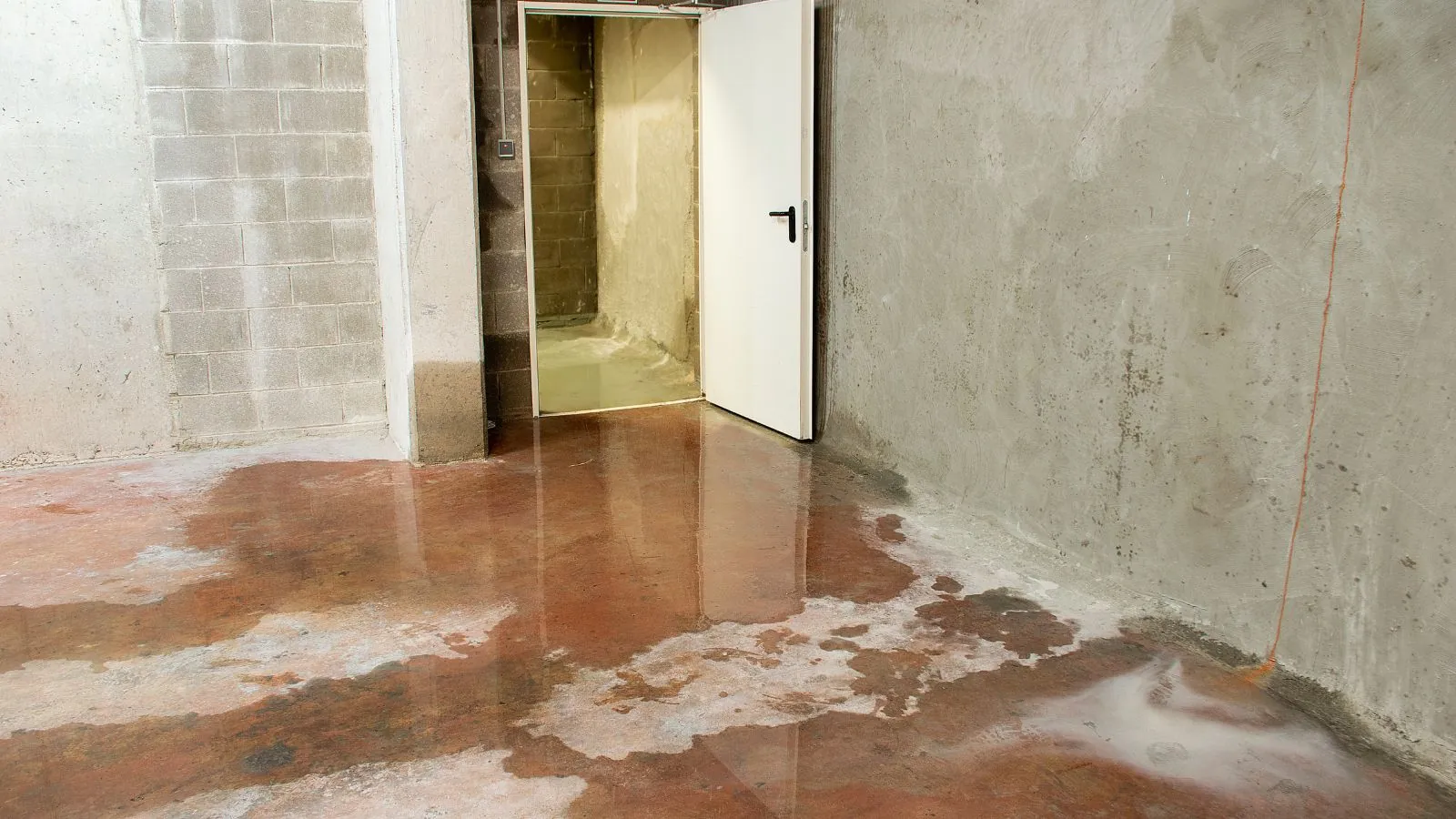
Flood damage restoration means removing water that rose into a building from outside, then cleaning and drying what it touched. It differs from a plumbing leak because the water is dirty from the start. If river, tidal or groundwater is in your Westport home, our line is answered 24/7.
Do not walk into flooded rooms where outlets, appliances or a panel may be wet. Keep people and pets out of the water. If you can do it from a dry spot, turn off power to the flooded level, and call the electric utility if you cannot.
Flooding in Westport is an emergency with a long record
This town sits on two branches of the Westport River and a barrier beach, and the record is specific. The town's resilience study, done under the state MVP program, calls the 1938 hurricane the storm of record, with water more than 14 feet above mean high water at East Beach. Hurricane Carol in 1954 brought similar levels.
More recent events are smaller but frequent. Hurricane Irene in 2011 destroyed about 750 feet of East Beach Road. In January 2024 a local newspaper reported the Point under water once more, with the level well over the usual high tide line on lower Main Road.
The practical point: if your house is near the harbor, the river or the Let, tidal flooding is a repeat event. The right cleanup removes what cannot be cleaned, so the next high water does not find old contamination in the walls. Our Westport Point page has more on that village.
Why floodwater is handled differently
The S500 standard sorts water into three categories. Surface, river and tidal floodwater falls in Category 3, the most contaminated, because it carries soil, fuel residue and sewage. After Irene, the Board of Health estimated that 40 to 60 septic tight tanks on the ocean side of East Beach were compromised.
| Material | Clean supply leak | Floodwater |
|---|---|---|
| Carpet and pad | Often dried in place | Removed and discarded |
| Drywall | Dried if caught early | Cut out above the water line |
| Insulation | Removed if saturated | Always removed |
| Solid wood framing | Dried | Cleaned, disinfected, dried |
Water rising or just receded?
We explain what has to come out, what can stay and how the job is priced.
What the cleanup involves
- Pump outSubmersible pumps and extraction units remove standing water once it is safe to enter.
- RemoveSoaked carpet, pad, insulation and drywall below the water line come out and are bagged.
- CleanFraming, concrete and remaining hard surfaces are washed and treated with a disinfectant.
- DryAir movers and LGR dehumidifiers run until moisture meters show the structure is dry.
Salt water adds a step. Salt left in framing and masonry keeps pulling moisture from the air, so affected surfaces are rinsed before drying. Lower levels are covered in more detail on our basement water damage page, and wind-driven rain is on the storm water damage page.
Wells and septic after a flood
Nearly every Westport home has its own well and septic system. A flooded wellhead can let surface water into your drinking supply, and a flooded septic system should not be used until the water drops. The Board of Health is the local authority on both. We clean the building. Well testing and septic inspection are separate steps we will remind you to schedule.
What not to do after a flood
- Do not use a household vacuum or fans on floodwater. They are not adequate for contaminated water
- Do not run the furnace, water heater or well equipment that was submerged until it has been checked
- Do not eat or keep food, medicine or cosmetics that touched the water
- Do not start rebuilding until moisture readings confirm the framing is dry
Cost and coverage
- Water heightEvery extra foot means more drywall, insulation and contents affected.
- Salt or freshSalt water adds rinsing and often more removal.
- Finished spaceA finished lower level costs far more to restore than bare concrete.
- Time wetMold starts quickly in a closed, damp house.
Flood damage is usually excluded from homeowners policies and needs separate flood coverage. Check the FEMA flood map for your address and ask your insurer what you carry. We also serve New Bedford and Acushnet.