Houses give warnings before they leak badly. The trick is looking at the right things at the right time of year. This guide sets out a short routine for each season. None of it takes more than an hour.
The year at a glance
| Season | Main risk | Ten-minute check |
|---|---|---|
| Winter | Frozen lines, ice at the roof edge, coastal storms | Heat on, cabinets open on cold nights, ceilings after thaws |
| Spring | Snowmelt and rain, high groundwater | Basement walls and floor, sump pump, gutters |
| Summer | Humidity, AC condensate, thunderstorms | Drain pan and line, dehumidifier, closets |
| Fall | Tropical storms, clogged gutters, closing seasonal homes | Roof, gutters, shutoffs, winterizing |
Winter
Cold is the season's main threat. Water in a pipe that runs through an unheated space can freeze and split the line, and the leak appears when it thaws.
- Keep the house heated, including rooms you do not use
- On very cold nights, open cabinet doors under sinks on outside walls
- Shut off and drain outdoor faucets before the first hard freeze
- Know where the well pump breaker and main valve are
- After a thaw, look at ceilings and walls along pipe runs
- Watch for ice building at the roof edge and stains at the top of exterior walls
Spring
Thawing ground and steady rain raise groundwater. Basements and crawl spaces show it first.
- Walk the basement perimeter and look for damp patches or white mineral deposits
- Pour a bucket of water into the sump pit to confirm the pump starts
- Clean gutters of winter debris and check downspout extensions
- Look at the ground around the foundation for settled spots that hold water
- Check the crawl space hatch for standing water or hanging insulation
- Run each outdoor faucet and look inside for leaks at the wall
Summer
Warm, humid air carries a lot of water, and air conditioning pulls it out indoors. That water has to drain somewhere.
- Check the condensate drain line and pan at the air handler for standing water
- Look at the ceiling beneath an attic unit for rings or stains
- Run a dehumidifier in the basement and make sure it drains
- Open closets on outside walls and check for a musty smell
- Inspect washing machine hoses for bulges or cracks
- After a heavy thunderstorm, check the basement and window wells
Fall
Fall is for preparation. Storms are possible and winter is coming.
- Clean gutters after the leaves drop
- Look over the roof and flashing from the ground
- Have the heating system serviced before it is needed
- Disconnect garden hoses
- Test the sump pump again
- If the house will be closed, winterize it or arrange monitored heat
The checks that apply all year
Some items do not belong to a season. Look under every sink for drips. Check the base of the water heater for rust or moisture. Look at the floor around toilets, the dishwasher and the refrigerator. Listen for the well pump running when no water is in use. A pump that cycles with every tap closed is telling you about a leak.
What State Guidance And Local Records Add
For winter, the Massachusetts Division of Insurance published advice in January 2026. Its list: insulate and maintain water pipes, keep the home heated during extreme cold, shut off and cover exterior faucets, open cabinet doors under sinks so warm air reaches the pipes, and maintain gutters and roof when weather allows. It added that ice dam damage may be covered if it is sudden and not caused by lack of maintenance.
Local records show why winter deserves the most attention in Westport. Reporting from the winter of 2023 to 2024 described a storm before Christmas that badly damaged East Beach Road and flooding at Westport Point on January 10. The town's resilience study says low sections of that road flood about twice a year, usually in winter.
For the fall checklist, the town's figure matters: summer residents raise the population by nearly a quarter. A lot of houses here are closed up in autumn. If yours is one, the closing-up step is the most important item on this page. Source types: state insurance regulator release, local news reporting, the town's resilience study and the town's own description.
Seasonal houses: opening and closing
Closing. There are two workable approaches: monitored heat all winter, or the well pump switched off and the plumbing drained. Leave cabinet doors open, empty the refrigerator, and give a caretaker a key and a list.
Opening. Before turning the water on, walk every room and look at ceilings and floors. Turn the pump on with someone watching the basement and listening. Open each faucet slowly. Check under sinks after ten minutes.
Wells and septic through the year
A well pump and pressure tank should be looked at when you check the water heater. Corrosion at fittings and a tank that is waterlogged are early signs. Septic systems are the Board of Health's area. Slow drains throughout the house and wet ground over the leach field are reasons to call a septic contractor before a backup happens.
When a check turns something up
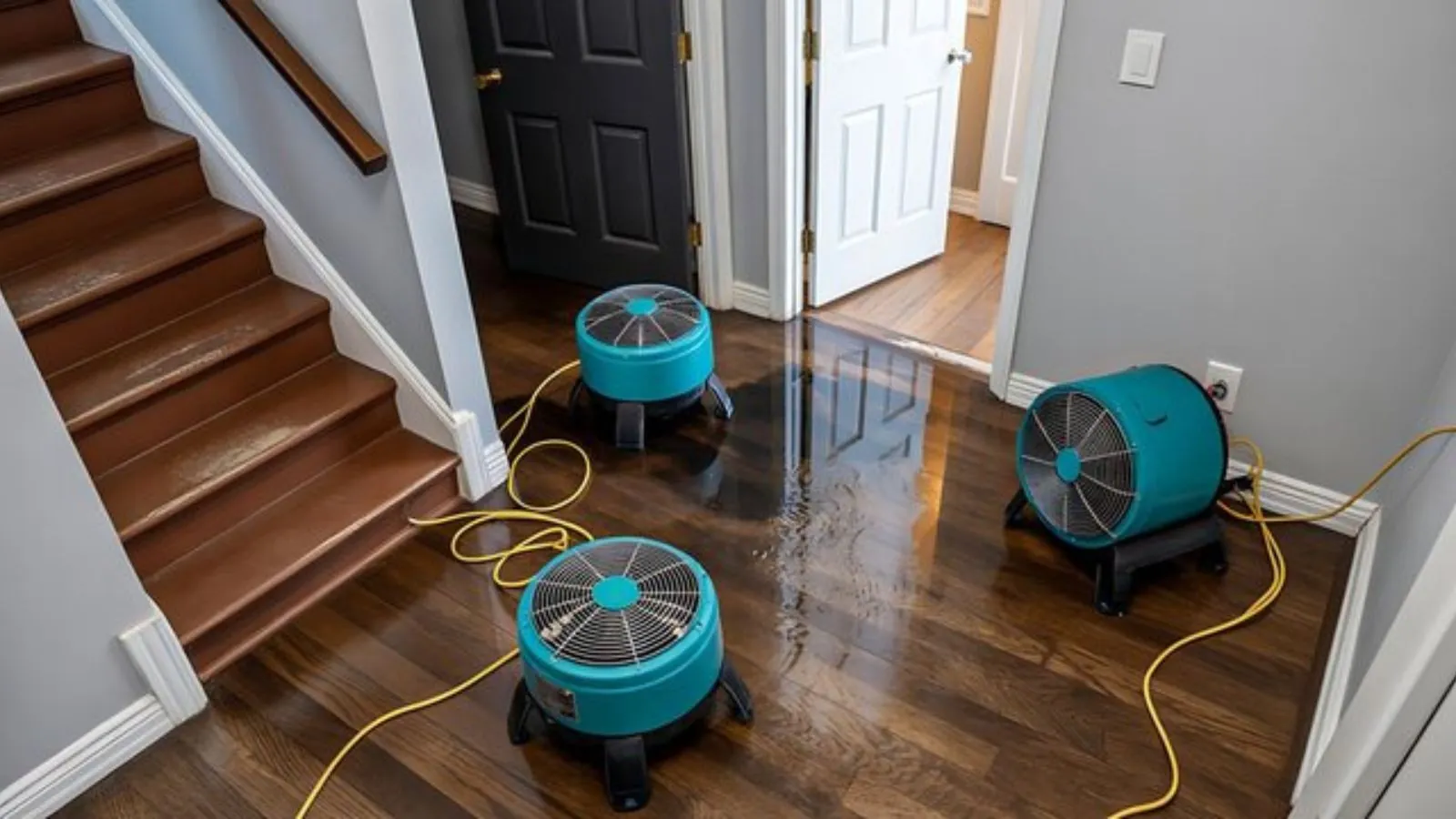
A stain, a soft spot or a damp smell found early is a small job, dried to the same S500 industry standard as a large one. The same problem found six months later is a larger one. If a check turns up moisture and you cannot tell how far it goes, a meter reading will.
See our structural drying page for how hidden moisture is measured, and frozen pipe water damage for the winter case. We serve Westport and travel to Acushnet and New Bedford.