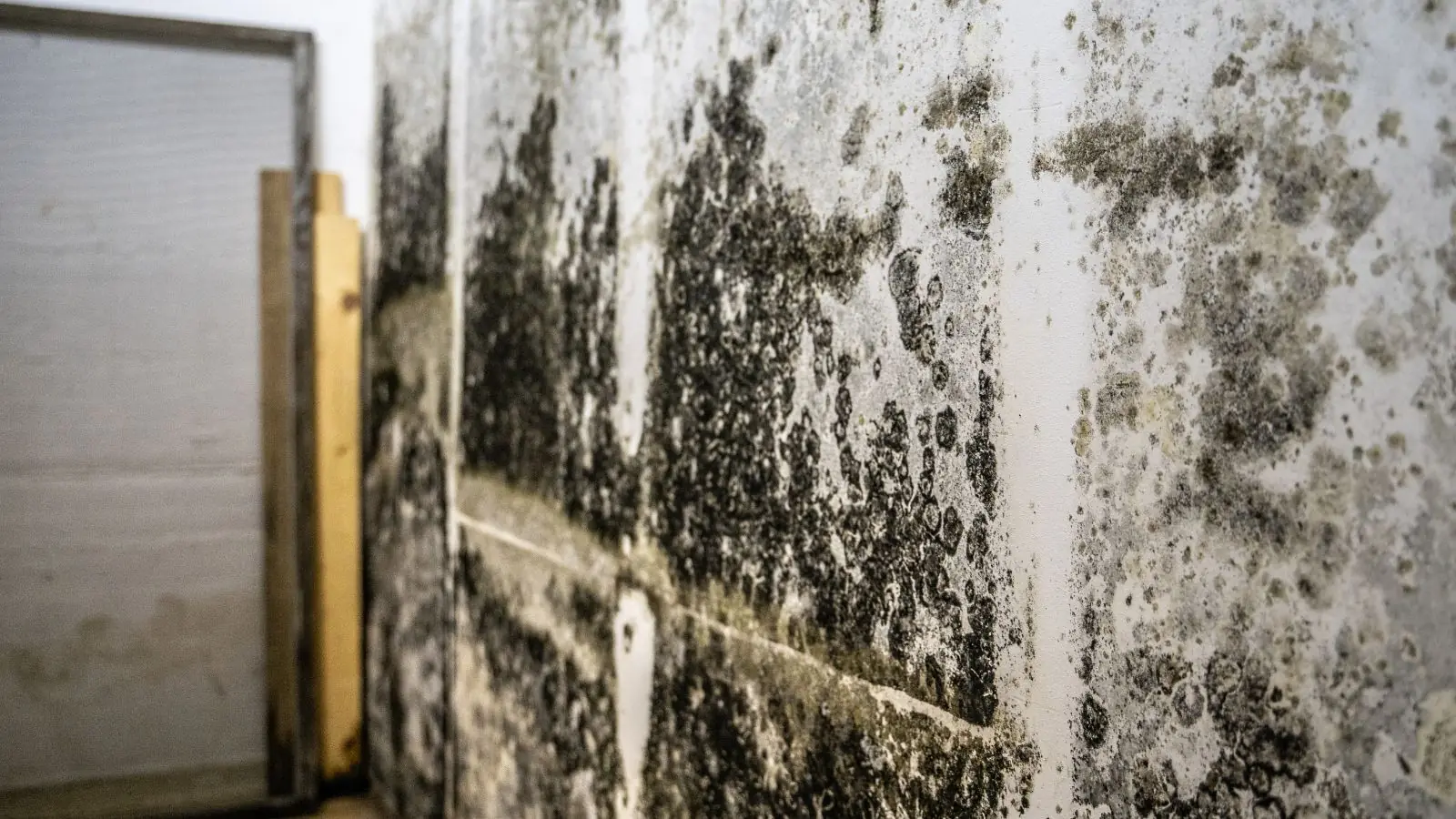
People use the phrase mold removal for everything from wiping a shower ceiling to stripping a basement. This guide explains where the line falls between a household task and professional work, and what you should expect to see if you hire someone.
Mold is a moisture symptom
Mold spores are present in outdoor and indoor air everywhere. They become a problem when they land on a damp material and stay damp. Take the moisture away and growth stops. Leave it and growth returns, whatever was sprayed on it.
That is why every sound plan starts with a question about water. Where did it come from, and is it fixed?
When you can handle it yourself
Small patches on hard, non-porous surfaces are a household job. Tile, glass, sealed countertops, metal and solid plastic can be cleaned with detergent and water, dried and kept dry.
Use gloves and eye protection, ventilate the room and do not mix cleaning products. If the same spot returns in a few weeks, the cause is still there. A bathroom fan that does not vent outdoors is a frequent culprit.
When it needs a professional
- Porous materialsDrywall, insulation, carpet, ceiling tile and unfinished wood hold growth below the surface. Wiping does not reach it.
- Larger areasGrowth spread across a wall or several spots in one room suggests a moisture problem behind the surface.
- Hidden growthA persistent musty smell with nothing visible means it is inside a cavity.
- After contaminated waterMold following a sewage or flood loss comes with other hazards.
- HVAC involvementGrowth in or near ductwork can spread through the house.
What the professional process looks like
The published industry standard is ANSI/IICRC S520. You do not need to read it. You should recognize its main steps when a contractor describes the job.
| Step | What you should see | Why |
|---|---|---|
| Assessment | Moisture meter, thermal camera, questions about leaks | Finds the water source and the extent |
| Containment | Plastic sheeting, sealed doorways, a machine exhausting air outdoors | Keeps spores out of clean rooms |
| Protection | Respirators, suits, gloves | Worker safety |
| Removal | Moldy porous materials bagged inside the containment | Growth cannot be cleaned out of them |
| Cleaning | HEPA vacuuming, damp wiping, vacuuming again | Removes settled spores and fragments |
| Drying | Dehumidifiers, moisture readings | Takes away what mold needs |
| Verification | Visual check, optional independent testing | Confirms the result |
If a contractor proposes to fog or spray the area and leave the materials in place, ask how that removes growth from inside drywall. It does not.
Testing: when it helps
Testing is not required for every job. Visible growth with a known cause can be planned and removed without laboratory results. Sampling is useful when growth is suspected and cannot be seen, when a sale or lender asks for a report, and for clearance after the work. For clearance, an independent assessor is more credible than the company that did the removal.
Why Westport Sees So Much Of This
Two facts from town sources explain a large share of local mold calls. The town states that summer residents raise its population by nearly one quarter. Its 2025 Housing Production Plan, citing Census estimates, puts seasonal and occasional-use units at 7 percent of the housing stock.
A house that is closed from October to May has no one running a bath fan, no one noticing a drip and often no dehumidification. Add a river on two sides and open coast on a third, and materials stay damp. Owners open the door in spring and find growth in closets, on the backs of furniture and across basement walls.
If you own a seasonal house here, the least costly protection is a caretaker walk-through and a dehumidifier that drains without anyone emptying it. Source types: the town's own description and its housing plan.
What not to do while you wait
- Do not scrub or sand growth on drywall or wood
- Do not run a fan across it
- Do not start demolition without containment
- Do not seal the room so tightly that the dampness gets worse. Keep a dehumidifier running outside the affected area
What professional removal does not include
A remediation company removes growth and dries the structure. It does not usually repair the roof, the plumbing or the HVAC drain that caused the moisture. Those belong to the relevant trade, and they come first or alongside.
It also does not include medical advice. Questions about symptoms belong with a physician. And no one can honestly promise that mold will never return. It stays away as long as moisture does.
Realistic expectations on time
A contained area the size of a bathroom wall is commonly a few days including drying. A basement or several rooms takes longer. Rebuilding, meaning new drywall, paint and flooring, follows once readings are normal.
Our mold remediation page describes the service in Westport. Where a damp lower level is the cause, see basement water damage cleanup. We also serve New Bedford and Acushnet.