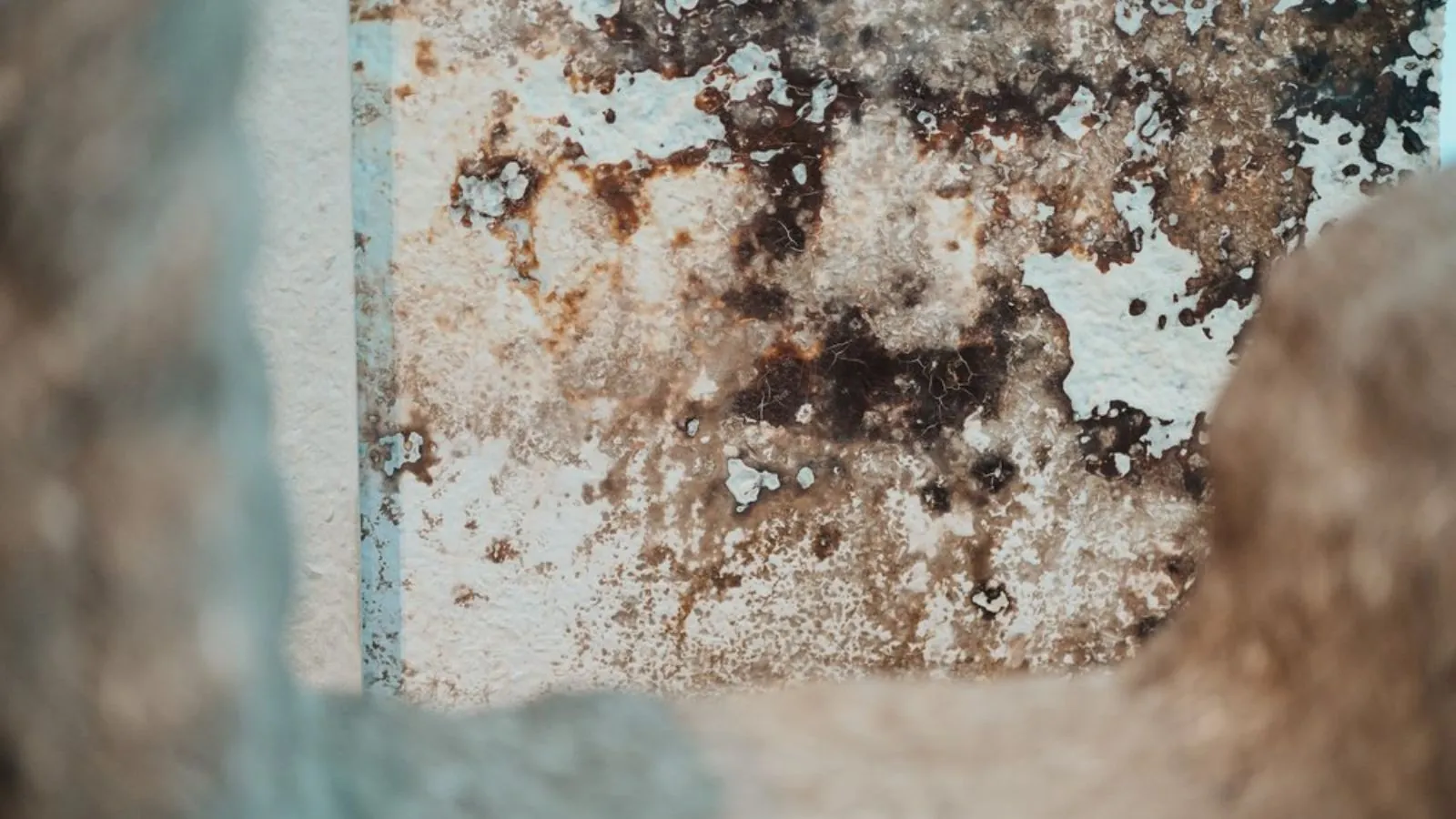
A fitting under the sink dripped. The cabinet floor is stained and the wall behind feels damp. Is that an insurance claim? This guide walks through the decision. It is general information. Your agent and your policy have the final word.
Start with the size of the loss, measured
The most common mistake is deciding before knowing the scope. A leak that looks like a stained cabinet may have wet the subfloor under three cabinets and the wall of the next room. One that looks alarming may turn out to be a single piece of drywall.
Get the damage measured first. A moisture assessment and a written scope give you a number to compare with your deductible.
The basic arithmetic
| Repair cost compared with deductible | Usual thinking |
|---|---|
| Below the deductible | No payout is possible. Paying yourself is the only option |
| Slightly above | Small payout. Many people pay themselves |
| Well above | A claim is what insurance is for |
If your deductible is a fixed dollar amount, the comparison is simple. If it is a percentage of the insured value, work out the dollar figure first.
What else goes into the decision
Claim history. Insurers keep records of claims, and those records can be considered at renewal. How much a single small claim matters varies by company. Ask your agent how your insurer treats prior water claims.
Whether it is covered at all. A slow leak that went on for months is often excluded as gradual damage. Filing a claim that is denied can still leave a record of the inquiry. Ask your agent how a question is logged before describing it as a claim.
Whether the damage might grow. If there is a real chance of hidden moisture or mold appearing later, an early report protects your position. Policies expect prompt notice.
Future sale. Buyers and their inspectors ask about past water damage. A documented, professionally dried repair is easier to explain than an unexplained stain, whoever paid.
Questions to ask your agent before deciding
- What is my deductible for a water claim?
- If I call to ask about coverage, is that recorded as a claim?
- How does this company treat a first water claim at renewal?
- Is gradual leakage excluded under my policy?
- If I pay for this myself and more damage appears later, can I still report it?
When paying yourself makes sense
- The measured repair is below or close to the deductible
- The cause is clearly fixed
- Moisture readings show the damage is contained
- The materials affected are simple to replace
When a claim makes sense
- The scope is well above the deductible
- Water reached more than one room or level
- Flooring, cabinets or finished ceilings are involved
- Mold is present or likely
- The loss was sudden and clearly accidental
Either way, dry it properly
The decision about who pays does not change what the house needs. A small leak that is patched without drying is how a minor repair becomes a mold problem a year later, and by then it looks like long-term damage to an insurer.
Document the work regardless: photos, moisture readings, a description of what was done. That record is useful for a later claim and for a future sale.
Massachusetts Context For Westport Homeowners
A January 2026 release from the Massachusetts Division of Insurance put a number on it: 48.6 percent of the homeowners claims made in Massachusetts during 2024 involved freezing or water other than flood. Water claims are routine business for insurers here, and they have set practices for handling them.
The Division's consumer guidance says to report a claim as soon as possible and to take reasonable steps to prevent further damage. Its Consumer Services Unit answers coverage questions at 617-521-7794. That line is a neutral place to ask how claims and inquiries are generally treated.
One local factor argues for measuring before deciding. Most Westport homes are on private wells, since the town has minimal public water according to its 2025 Housing Production Plan. Without a water bill there is no easy way to tell how long a small leak has been running.
A leak that looks recent may be months old, which affects both the scope and how an insurer views it. Source types: state insurance regulator release and consumer pages, and the town housing plan.
A worked example, without dollar figures
Suppose a supply fitting under a bathroom sink fails. You find it the same morning. Readings show a wet vanity base, a damp section of wall and a dry floor beyond. The scope is a few days of drying and a small drywall patch. If that comes in near your deductible, paying yourself is reasonable.
Now suppose the same fitting dripped for weeks. Readings show a wet subfloor running under the tub, a stained ceiling below and growth on the back of the drywall. That is a larger scope. It is also a harder coverage question, because of the duration. This is the case where a conversation with your agent matters most.
The short version
Measure first. Compare with your deductible. Ask your agent the five questions above. Dry it properly whoever pays.
Our wall and drywall water damage repair page describes the most common small-leak repair, and kitchen water damage restoration covers under-sink leaks. We serve Westport, Acushnet and New Bedford.