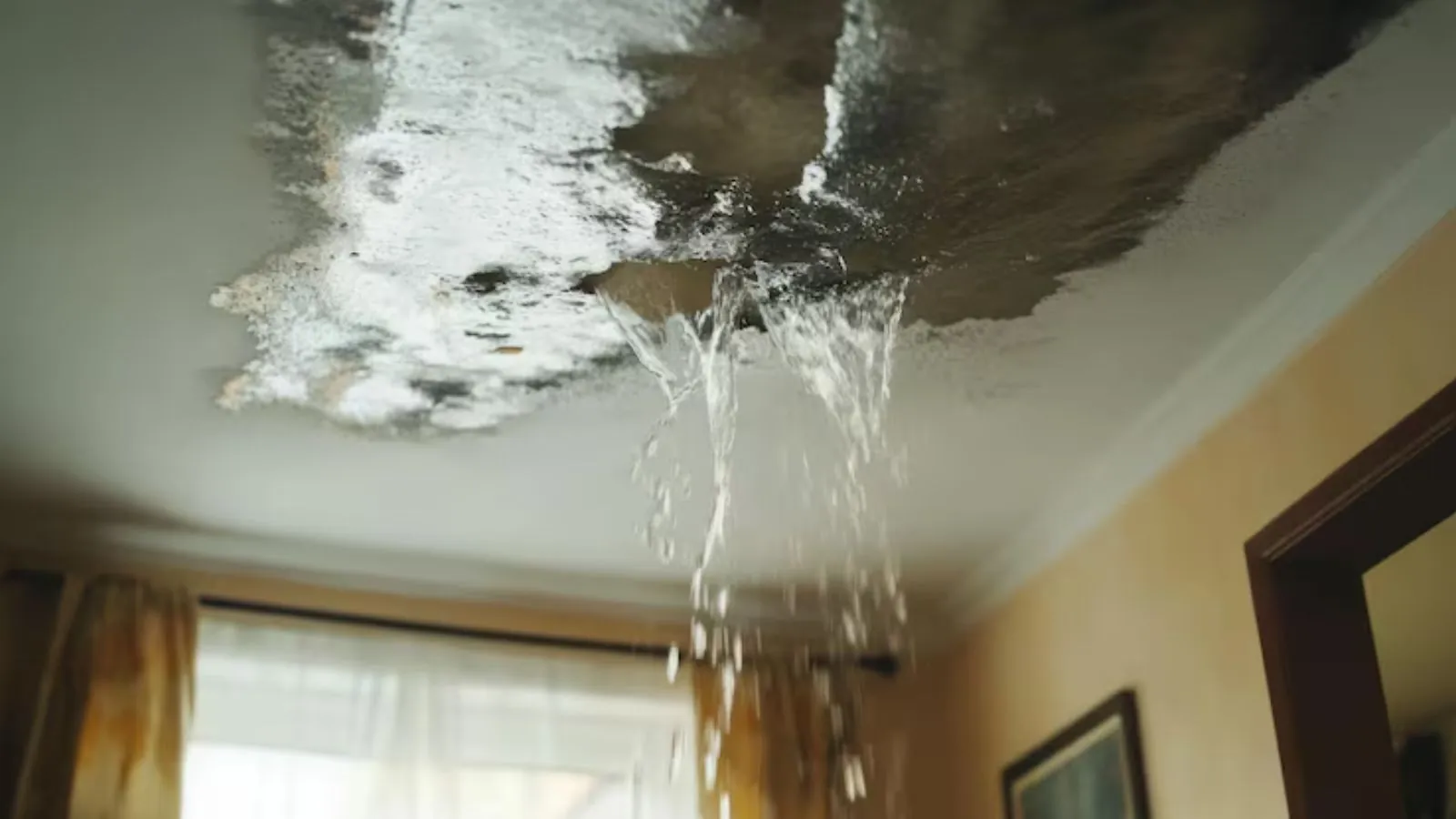
Most people pick a water damage company within an hour of finding the problem. There is no time for three quotes. This guide gives you a handful of questions that take five minutes and tell you most of what you need to know.
Start with the phone call
How the first call goes is informative. A careful company asks questions before it sells anything.
- Is the water stopped, and do you know the source?
- Is anyone at risk from electricity or contaminated water?
- What rooms and materials are wet?
- How long has it been wet?
If the first thing you hear is a price or a promise, be cautious. Nobody can price a loss they have not seen.
Seven questions worth asking
- Do your crews work to the ANSI/IICRC S500 standard? It is the published industry standard for water damage restoration. A company should know it by name.
- How do you decide what is wet? The answer should include moisture meters and thermal imaging, not just looking.
- What equipment will you use? Expect to hear air movers and LGR dehumidifiers, sized to the space.
- How often will you check the drying? Regular visits with recorded readings are the norm.
- What will I get in writing? A scope of work, a moisture record and photos.
- How is the price set? You should hear about water category, area, materials and time, and get the explanation before work begins.
- Are you licensed and insured? Ask for proof of insurance if you want it.
What good documentation looks like
| Document | Purpose |
|---|---|
| Initial moisture map | Shows the extent of the damage on day one |
| Daily readings | Shows materials actually drying |
| Photo log | Records conditions before, during and after |
| Itemized scope | Lists every task so it can be compared with an insurer's estimate |
| Final readings | Confirms the structure reached a dry standard |
This paperwork protects you. It is also what an insurer will want to see.
Promises to be wary of
Be careful with any company that promises an arrival time, tells you insurance will definitely pay, offers to waive your deductible or says nothing will need to be removed before seeing the damage. Coverage is decided by your insurer. Arrival depends on roads and workload. And some materials cannot be saved, depending on the water.
Be equally careful with a company that wants to tear everything out at once. Clean water caught early often allows drying in place.
Mitigation and rebuild: one company or two?
Some companies only dry. Others also rebuild. Either can work. What matters is knowing in advance who repairs the drywall, flooring and paint once the equipment leaves, and whether that is a single scope or two contracts.
What Local Knowledge Looks Like In Westport
A company working here should understand how Westport houses are served. The town has no sewer service and minimal public water, according to its 2025 Housing Production Plan. Ask a prospective company how it shuts off water on a private well and where it discharges pumped water on a property with a septic leach field. A blank pause is an answer.
Ask about the coast as well. The town's state-funded resilience study records that low sections of East Beach Road flood about twice a year. A company used to this shoreline will treat tidal water as contaminated and will mention rinsing salt before drying.
Access is the third test. The town notes that Acoaxet can only be reached by driving through a small part of Rhode Island. A company that knows the area will not quote you a travel time as if it were across the street. Source types: the town housing plan, the town's resilience study and the town's description of its villages.
What to do before the crew arrives
Whichever company you choose, use the waiting time. Shut off the water. Keep away from wet electrics. Move belongings off wet floors. Photograph each room. Find your insurance policy number.
Questions for after the first visit
- Which materials will be dried in place and which removed, and why?
- What category of water is this?
- When will you return to take readings?
- What would change the scope?
- Who do I call with questions at night?
What happens if things go wrong
Ask how problems are handled. If a reading is not dropping, what changes? If more wet material is found behind a wall, who tells you and when? A company with a clear answer has dealt with those situations before. One that says it never happens has not been paying attention.
A fair way to compare
If you do have time to speak with two companies, compare what they measured, not only what they charge. The one that found more wet material with a meter may be the one telling you the truth.
For what the work itself involves, see our pages on water extraction and structural drying. We serve Westport and nearby New Bedford and Acushnet.